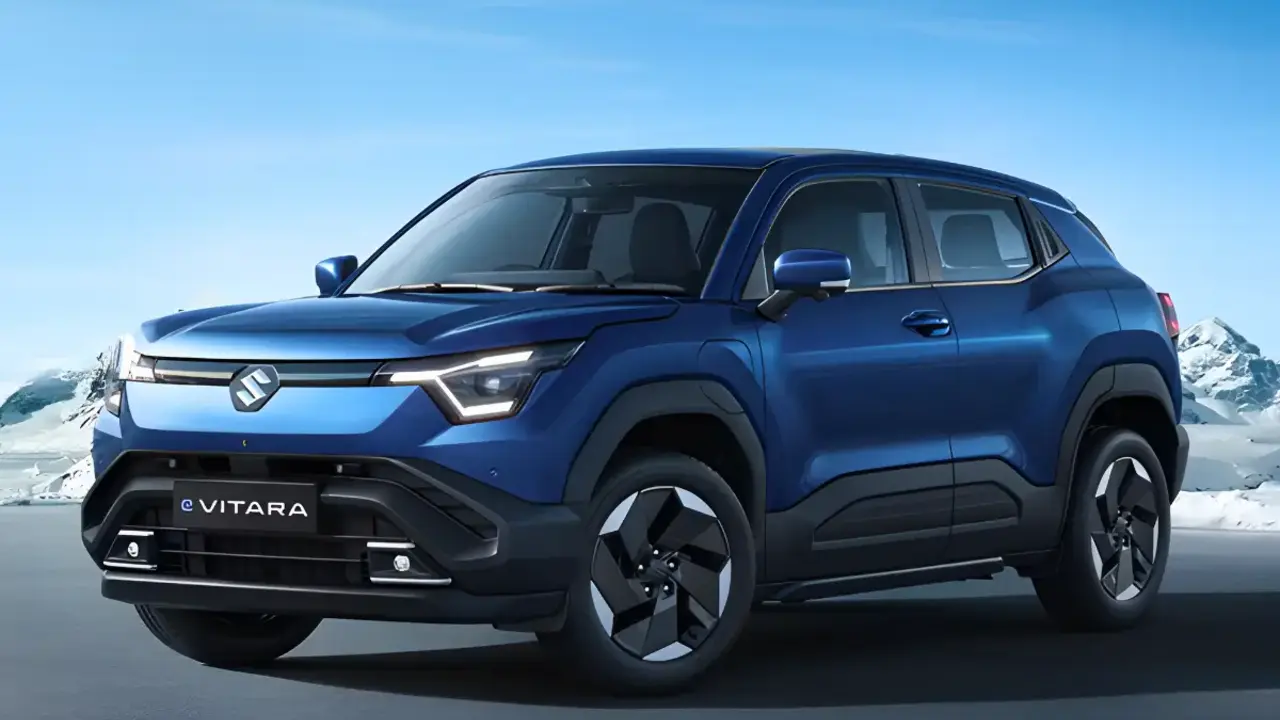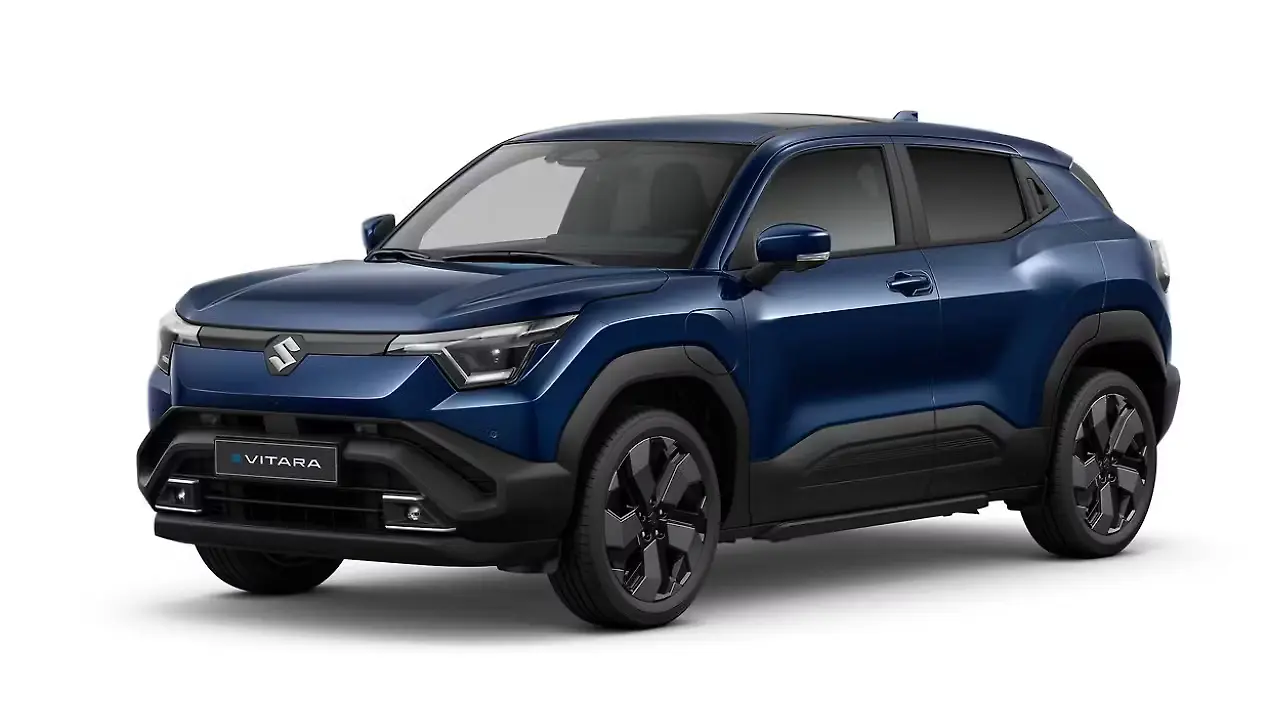
I’m excited to share the latest on the Maruti Suzuki eVitara India Launch Date. If you’ve been watching the EV space in India, this is one of the most talked-about launches of 2025. In this post I’ll walk you through the confirmed launch timing, battery options, expected range, powertrains, charging details, and what this means for Indian EV buyers like you and me.
Launch date, production and early availability
Recent reports and company activity have finally given us a clear timeline. According to India Today, the India retail launch is scheduled for December 2, 2025. This puts the car in showrooms just months after commercial production began. Maruti Suzuki started commercial production at the Suzuki Motor Gujarat (Hansalpur) plant on August 26, 2025, and exports began in late August/early September 2025, with thousands of units shipped to Europe.
That production ramp shows Maruti is serious about volume, but be aware: Reuters reported mid‑2025 supply constraints that forced the company to cut near‑term EV production targets. So while the launch date is confirmed, initial availability may be limited in some cities.
Battery options, supplier and claimed range
One of the biggest questions I had was about batteries — and the reporting is consistent. India‑spec coverage lists two battery pack options: roughly 49 kWh and 61 kWh. Both use LFP “blade” chemistry supplied by BYD. Some reports indicate Maruti will import complete packs rather than just cells.
The larger 61 kWh pack is expected to deliver over 500 km on certain global test cycles. However, official ARAI-certified Indian cycle numbers were not universally published at the time of the reports I reviewed. That means the real-world certified range for India could be different — but the headline figure is promising for long-distance drives.
Powertrains, variants and what may come to India
The eVitara is built on a dedicated BEV skateboard platform and is reported to come in several power levels globally. The likely India setup looks like this:
| Battery (kWh) | Estimated Power | Torque (Nm) | Drive | Claimed Range |
|---|---|---|---|---|
| 49 | ≈ 144 hp | ≈ 189 | FWD (single motor) | Expected 300–400 km (est.) |
| 61 | ≈ 174 hp | ≈ 189 | FWD (single motor) | Reported >500 km on some cycles |
| 61 (AllGrip‑e) | Combined ≈ 184 hp | ≈ 300 | AWD (dual motor) | Market dependent; unclear for India |
The dual‑motor AllGrip‑e AWD variant uses an extra rear motor (about 65 hp) and is being offered in higher‑spec global markets. It’s not clear whether Maruti will sell that AWD version in India at launch — my guess is they’ll focus first on FWD models to keep costs and complexity down.
Charging, customer support and ecosystem
Charging support is a big part of any EV purchase decision. Maruti says it will help customers with home charger installation and roll out fast‑charging networks across its dealer network and major cities. Reported DC fast charge times for higher‑power chargers range from 30–45 minutes (0–80%). That’s a usable figure for highway travel, though actual times will depend on the charger type and ambient temperature.
Maruti is also preparing EV‑ready service centers and training technicians. For buyers, that means easier maintenance compared with a brand that’s just starting local EV operations.
Pricing, bookings and real-world availability
At the time of reporting, Maruti had not published official India pricing. Media estimates range widely — roughly ₹17–25 lakh — depending on battery, trim and features. Some dealers were taking token bookings ahead of official prices. If you consider booking early, remember these figures are provisional until Maruti confirms final prices and open booking dates.
Given the supply constraints mentioned by Reuters, you should also expect phased availability by city and trim. If you live in a metro like Delhi, Mumbai, Bangalore or Hyderabad, you’ll probably see earlier stock. Rural and smaller markets may have to wait longer.
Features, safety and tech highlights
The eVitara sits on Suzuki’s new HEARTECT‑e (codename 40PL) skateboard platform co‑developed with Toyota. Key features reported for higher trims include a dual digital screen cockpit, a fixed glass roof, Level‑2 ADAS and seven airbags on selected trims. Those safety and convenience features could make the eVitara a strong contender against other compact electric SUVs.
To give you a real‑world comparison: a 61 kWh eVitara claiming over 500 km in global cycles would compete with some long‑range small SUVs from other makers. If Maruti can bring those numbers to the Indian cycle, the car would be very attractive for families who need occasional long trips without frequent charging stops.
What this launch means for Indian EV buyers
For many Indian buyers, Maruti arriving seriously in the EV market is a turning point. Maruti’s mass‑market reach, wide dealer footprint and service network can lower ownership friction. Here are the practical takeaways I see:
- Choice: Two battery sizes mean you can pick a model that matches your daily range needs.
- Service confidence: Maruti’s large service network should make aftersales simpler than many new EV brands.
- Range anxiety eased: The reported >500 km claim (61 kWh) is a strong selling point if ARAI‑certified figures are close.
- Possible early shortages: Supply constraints may limit early deliveries, so plan expectations accordingly.
Also Read: Yamaha XSR 155 Deliveries Begin in India – Features, Price and Key Highlights Revealed
Final Thoughts
We now have a clear date to watch: the Maruti Suzuki eVitara India Launch Date is expected on December 2, 2025. Production already started in August 2025 and exports have begun, so the car isn’t just a concept — it’s reaching customers. The two battery options (≈49 kWh and ≈61 kWh) supplied by BYD, the claimed >500 km figure for the larger pack, and the reported charging times make the eVitara a very interesting option in India’s EV SUV segment.
If you’re thinking about booking, weigh the likely benefits — strong service network, multiple battery choices, and modern tech — against possible early supply limits and the lack of final ARAI figures and official pricing. I can also pull the most authoritative official statements and create a short timeline of dates if you want a compact reference. Would you like that?