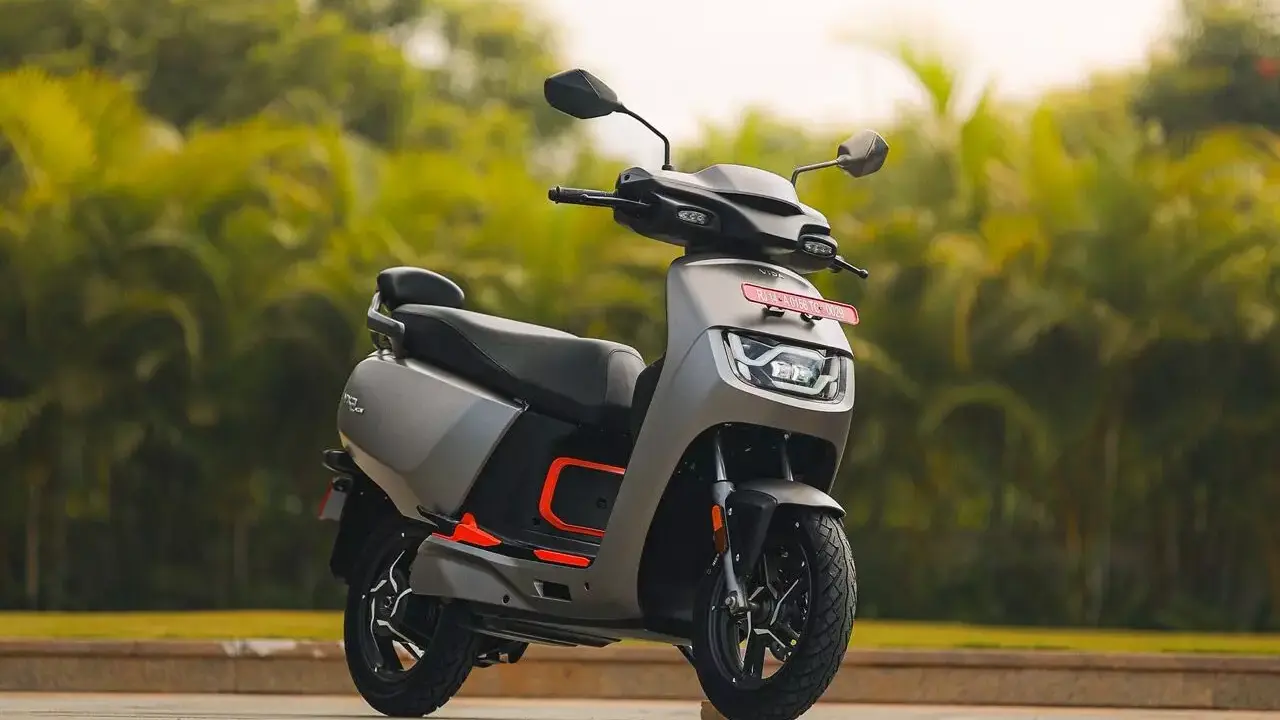
I’m excited to talk about the Hero Vida VX2 Go — a new electric scooter that grabbed headlines when it was unveiled on November 10, 2025. At the launch, Nitin Gadkari introduced the VX2 Go 3.4 kWh variant, and VIDA says it can deliver up to ~100 km per charge with a Battery‑as‑a‑Service (BaaS) plan that works out to just ₹0.90 per km. In this post I’ll walk you through the key facts, real‑world examples, specs, and what to check before you buy.
What was announced and why it matters
On November 10, 2025, VIDA unveiled the new Hero Vida VX2 Go 3.4 kWh model. This update is important because it brings a larger 3.4 kWh dual‑removable battery option into the VX2 Go lineup. VIDA claims the scooter can reach up to ~100 km per charge under company testing. The company also refreshed BaaS pricing — reported to start at about ₹60,000 with a pay‑per‑km rate of ₹0.90. If true in real life, that’s a big step toward low running costs for urban riders.
Key specs and practical performance
Here are the headline specs VIDA published for the VX2 Go 3.4 kWh:
- Battery: 3.4 kWh dual removable
- Company‑claimed range: ~100 km per charge
- Peak power: ~6 kW
- Torque: ~26 Nm
- Top speed: ~70 km/h
- Under‑seat storage: ~27.2 litres
- Ride modes: Eco / Ride, and fast‑charge capability
These numbers suggest the VX2 Go is aimed at city commuters who want long range and the convenience of removable batteries. Personally, I like that the batteries are removable — that means you can charge at home, at work, or swap at a station if VIDA supports that in your area.
Price, BaaS, and real running cost examples
If you buy the scooter with batteries outright, the reported ex‑showroom Delhi price for the VX2 Go 3.4 kWh is about ₹1,02,000. VIDA’s BaaS option is reported to start around ₹60,000 (for the battery plan), plus a pay‑per‑km cost of ₹0.90/km. To make this concrete, here are a few examples.
| Usage | Daily km | Monthly running cost (@ ₹0.90/km) | Annual running cost |
|---|---|---|---|
| Short commute | 15 km/day | ₹405 | ₹4,860 |
| Average city rider | 30 km/day | ₹810 | ₹9,720 |
| High use | 50 km/day | ₹1,350 | ₹16,200 |
So, if you ride 30 km every day, you’d pay around ₹810 per month just in per‑km charges under the BaaS pay‑per‑km rate. Add in any fixed monthly battery fee VIDA may charge and the total would change — always check the final BaaS contract at your dealer.
How this compares to earlier VX2 models
VIDA launched the original VX2 family in July 2025. Back then, the VX2 Go 2.2 kWh claimed about 92 km (IDC) and the VX2 Plus 3.4 kWh claimed about 142 km. The running cost figure for earlier models was reported around ₹0.96/km (96 paise). The big update in November is that the VX2 Go now gets a 3.4 kWh option and VIDA has lowered the reported pay‑per‑km to ₹0.90/km.
Below is a simple comparison you can use at a glance:
| Model | Battery | Claimed range | Reported running cost |
|---|---|---|---|
| VX2 Go (new) | 3.4 kWh (dual removable) | ~100 km (company‑claimed) | ₹0.90/km (BaaS) |
| VX2 Go (2.2 kWh) | 2.2 kWh | ~92 km (IDC) | ~₹0.96/km (earlier) |
| VX2 Plus | 3.4 kWh | ~142 km (company‑claimed) | Varies |
Real‑world factors and a short case study
It’s important to remember these are manufacturer claims. Real range and cost will depend on:
- Riding style (aggressive acceleration uses more energy)
- Traffic and average speed
- Load (two riders, cargo, or hillside routes)
- Temperature (cold reduces battery efficiency)
- Charging method (home charging vs fast charging)
Case study: A commuter in Delhi who rides 30 km each weekday, uses Eco mode often, charges at home overnight, and carries only herself might see close to the claimed ~100 km and thus near the ₹0.90/km running cost. But the same rider with frequent fast charging, heavy luggage, or regular two‑up riding could see range drop by 10–30%, which raises real per‑km cost. Always allow a safety margin when you plan trips.
Availability, what to check at the dealer, and my recommendation
VIDA says the VX2 Go 3.4 kWh will be available at VIDA dealerships from November 2025. If you go to a dealer, I suggest you:
- Ask for a test ride to feel acceleration, braking, and comfort.
- Request real dealer‑verified range tests or local user feedback.
- Clarify BaaS contract details: upfront battery charges, monthly minimums, and exact per‑km billing.
- Check warranty, battery swap availability, and charger types.
For city riders who want low day‑to‑day cost and the flexibility of removable batteries, the Hero Vida VX2 Go 3.4 kWh looks like a strong option on paper. If you need very long range without swapping batteries, compare the VX2 Plus numbers closely.
Final Thoughts
The new Hero Vida VX2 Go 3.4 kWh is a notable update: unveiled on November 10, 2025, it promises up to ~100 km per charge and a reported running cost of just ₹0.90/km under VIDA’s BaaS plan. With a reported ex‑showroom Delhi price of around ₹1,02,000 if you buy the batteries, and a BaaS option starting near ₹60,000, VIDA aims to offer flexible choices for riders. Remember, these are manufacturer claims — your actual range and cost will depend on riding habits, charging, and local conditions. If you’re interested, visit a VIDA dealership, take a test ride, and read the BaaS fine print before deciding.
If you’d like, I can pull the official VIDA press release or make a short side‑by‑side checklist so you can compare the VX2 Go 3.4 kWh to other scooters in your budget. Which would you prefer?